What is Hapus Mango? The Complete Guide to India's King of Fruits
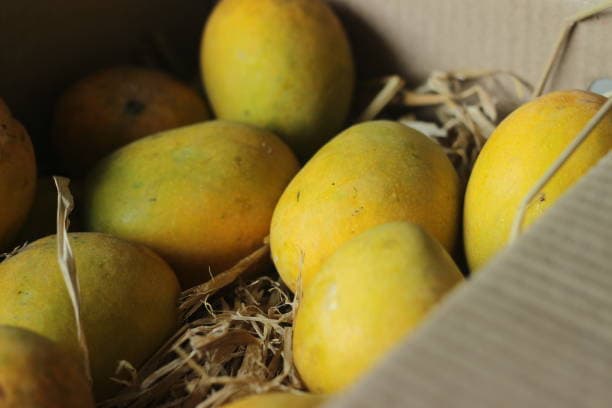
Hapus. The word alone triggers salivation in anyone who has tasted the real thing. But what exactly is Hapus mango, where does it come from, and why does it command such extraordinary prices and loyalty? This is the complete answer.
What Does 'Hapus' Mean?
Hapus is the Marathi pronunciation of Alphonso — the Portuguese name given to the mango variety introduced to Goa and the Konkan coast by the Portuguese in the 15th century. The variety was named after Afonso de Albuquerque, the Portuguese general who controlled Goa. Over centuries of cultivation on Konkan soil, the variety evolved into what we now call Ratnagiri Hapus.
Where is Hapus Grown?
Authentic Hapus is grown in a specific geographic zone along the Konkan coast of Maharashtra — primarily Ratnagiri and Sindhudurg districts. The GI certification (Application No. 33) legally defines this zone. Mangoes from outside this zone cannot be labelled as Ratnagiri Hapus, though many are sold as such.
What Makes Hapus Different?
Three things make Ratnagiri Hapus unique: the red laterite soil of the Konkan, which imparts specific mineral compounds to the fruit; the coastal microclimate (Arabian Sea proximity moderates temperatures and humidity); and centuries of traditional cultivation practice. The result is a mango with Brix levels of 22–26°, a completely fibre-free texture, and an intensely floral aroma dominated by linalool — a compound also found in premium wines and saffron.
Hapus Season
Ratnagiri Hapus season runs from mid-March to late June. Peak season — when the fruit is at its sweetest, most aromatic, and most abundant — is April and May. The season is approximately 10–12 weeks. After June, the remaining fruit is late-season and noticeably less aromatic.
How to Eat Hapus
The traditional Konkan method: squeeze the whole mango between your palms to loosen the pulp, cut the tip, and squeeze the pulp directly into your mouth. No plate, no cutlery, no restraint. The alternative: serve slightly chilled, sliced, with aamras (blended pulp) alongside hot puris. Both are correct.
Ready to Order Real Alphonso?
Farm-direct, naturally ripened, zero carbide. WhatsApp us to order your box today.
Order on WhatsAppMore from the Blog
Ratnagiri Alphonso vs Kesar Mango: Which is Better?
India produces over 1,500 varieties of mango, but when it comes to prestige and flavour, two names dominate every conversation: Ratnagiri Alphonso and Gir Kesar. If you've ever stood confused in front of both options, this guide settles the debate once and for all.
Food SafetyHow to Identify Carbide-Free Mangoes (6 Simple Tests)
Calcium carbide is a chemical compound used to artificially ripen mangoes in days. It is banned in India under FSSAI regulations because it contains arsenic and phosphorus residues linked to neurological damage. Yet it remains widely used across Indian markets. Here's how to protect yourself and your family.
EducationWhat is GI Certification? Why Ratnagiri Alphonso Has It and Why It Matters
When you see 'GI Certified Ratnagiri Alphonso' on a box of mangoes, it means more than a label. It is a legally enforceable guarantee that this fruit was grown in a specific place, using specific traditional methods, meeting specific quality thresholds.