Mango Grading Exposed: How to Avoid Paying Premium for Standard Fruit
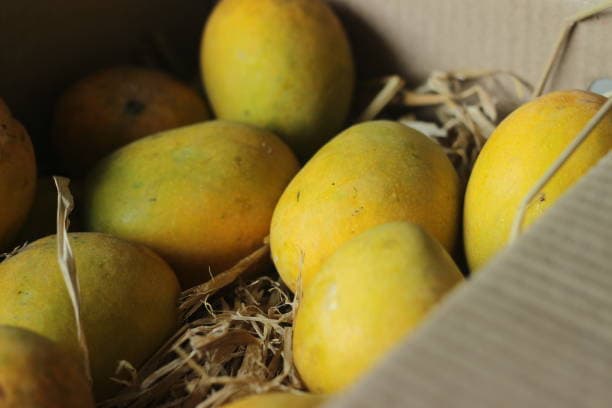
In the markets of Vashi or Crawford, everything is 'Premium.' But in a real orchard, we grade fruit into three distinct categories. Most online sellers buy Grade 2 and sell it at Grade 1 prices.
The 250g Myth
Weight is the easiest thing to fake. A large mango can be watery and low in sugar. True 'Export Grade' is about density and the 'Flush' (the reddish-gold tint on the shoulder). Grade 1 fruit (250g-280g) has the perfect skin-to-pulp ratio.
The Pure Aam Standard
We only ship Grade 1. Anything smaller or with minor skin blemishes goes to the local juice markets in Ratnagiri. When you open a Pure Aam box, every single fruit is a masterpiece. We don't mix grades to pad our margins.
Ready to Order Real Alphonso?
Farm-direct, naturally ripened, zero carbide. WhatsApp us to order your box today.
Order on WhatsAppMore from the Blog
Ratnagiri Alphonso vs Kesar Mango: Which is Better?
India produces over 1,500 varieties of mango, but when it comes to prestige and flavour, two names dominate every conversation: Ratnagiri Alphonso and Gir Kesar. If you've ever stood confused in front of both options, this guide settles the debate once and for all.
Food SafetyHow to Identify Carbide-Free Mangoes (6 Simple Tests)
Calcium carbide is a chemical compound used to artificially ripen mangoes in days. It is banned in India under FSSAI regulations because it contains arsenic and phosphorus residues linked to neurological damage. Yet it remains widely used across Indian markets. Here's how to protect yourself and your family.
EducationWhat is GI Certification? Why Ratnagiri Alphonso Has It and Why It Matters
When you see 'GI Certified Ratnagiri Alphonso' on a box of mangoes, it means more than a label. It is a legally enforceable guarantee that this fruit was grown in a specific place, using specific traditional methods, meeting specific quality thresholds.